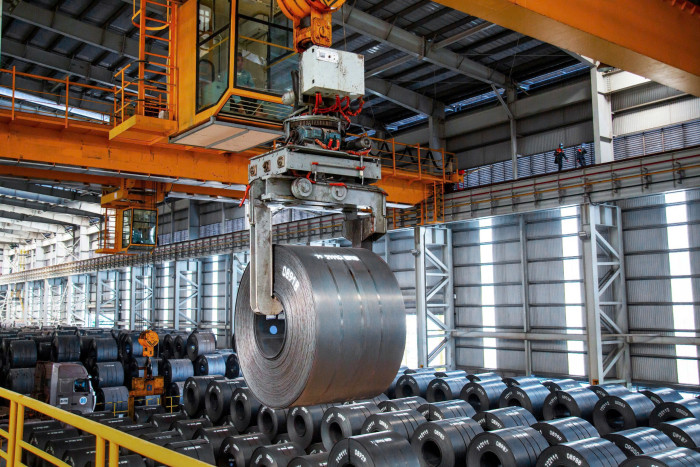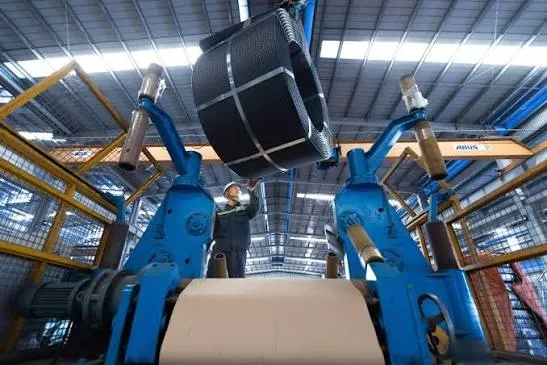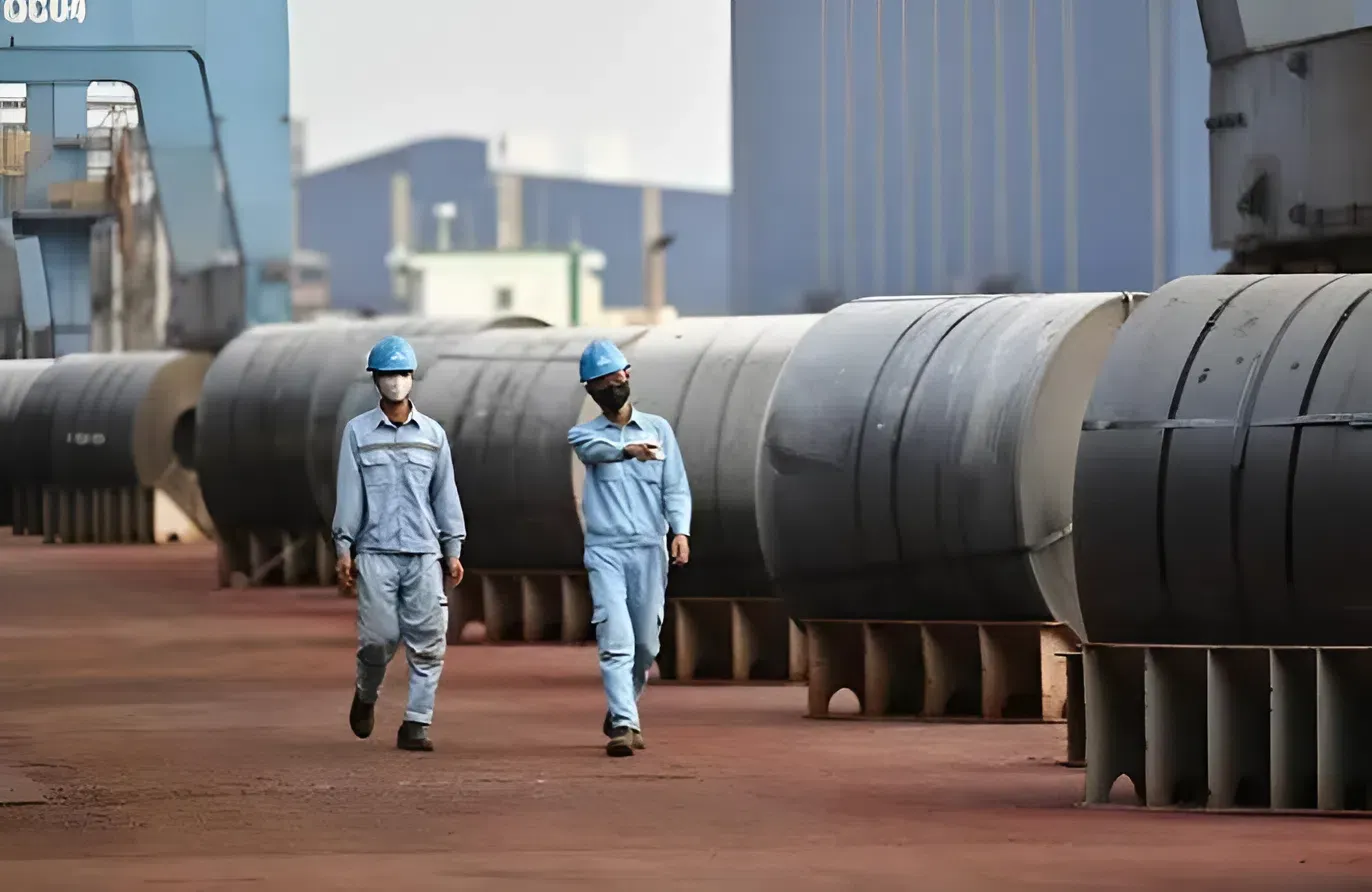
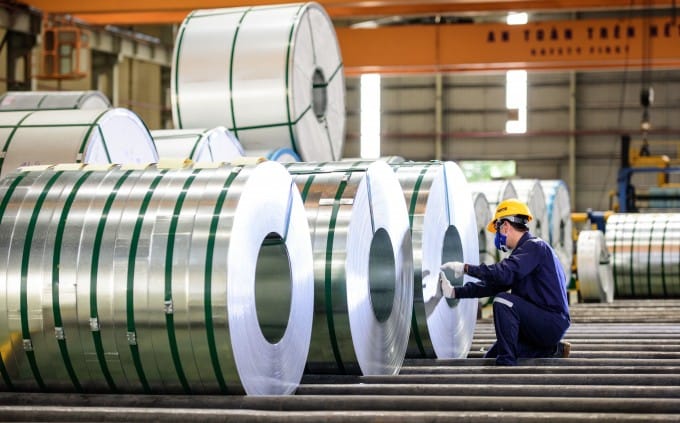
The Vietnamese steel industry is transitioning from a production capacity expansion phase to a value chain optimization phase: crude steel growth establishes a foundation of scale, hot-rolled coil (HRC) becomes a new growth driver, while construction steel continues to lead domestic demand.
Main information
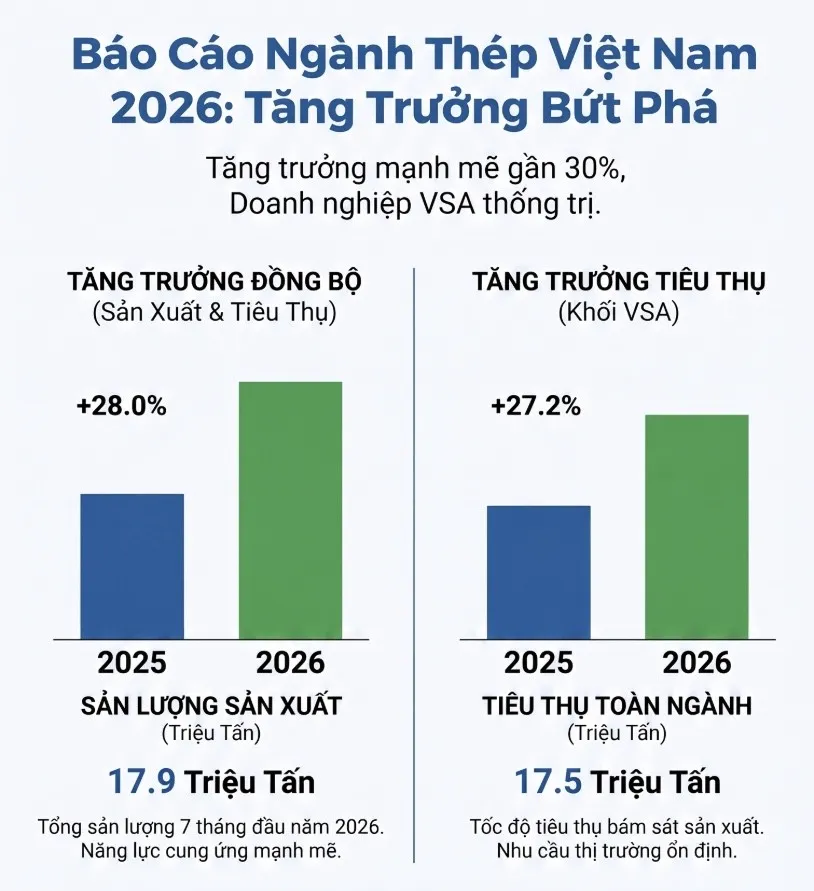
Vietnam's crude steel production reached 17.92 million tons, representing a 28% increase, which is higher than the general growth rate of the manufacturing and processing industry (~12%) and the overall industrial growth rate (~11.4%). It is evident that the high growth in crude steel production not only reflects a strong expansion in production scale but also indicates the Vietnamese steel industry's shift towards synchronized, modern, and closed-loop investments—from upstream to downstream production—demonstrating the industry's increasingly high autonomy in the global industrial supply chain. According to the World Steel Association (WSA), Vietnam achieved approximately 15.2 million tons of crude steel in the first six months of 2026, an increase of 26.9%, maintaining its position among the Top 10 largest steel producers in the world. Notably, Vietnam's growth rate is significantly higher than the overall trend of the global steel industry.
Production of all types of finished steel reached 21.4 million tons, an increase of 15.4% compared to the same period in 2025 (recording increases across all product categories, except for galvanized steel, which decreased by 13.5%, and cold-rolled steel, which decreased by 10.2%);
Sales of finished steel reached 21.186 million tons, an increase of 15.6% compared to the same period last year (recording increases across all product categories except for cold-rolled steel, which decreased by 1.6%, and galvanized steel, which decreased by 9.0%);
Import-Export
In the first seven months of 2026, Vietnam's imports were estimated at approximately 9 million tons, valued at over 6.68 billion USD, representing an increase of 4.0% in volume and 7.5% in value compared to the same period in 2025. Exports of all types of finished steel were estimated at 6.69 million tons, up 4.2% compared to the same period last year; the export value was estimated at 4.54 billion USD, an increase of 7.4% compared to the same period in 2025 (VSA aggregated the steel import-export data for the first 7 months of 2026 based on VITIC's import-export data).
In the first 7 months of 2026, Vietnam's total steel import-export turnover was estimated at 11.2 billion USD, accounting for ~2% of Vietnam's total import-export turnover. Vietnam's steel trade deficit (Imports – Exports) in terms of volume was approximately 2.35 million tons, valued at 2.13 billion USD, corresponding to 11% of Vietnam's total trade surplus. Vietnam's main export markets are: the ASEAN region (31.33%), the EU (17.5%), the United States (13.64%), Brazil (8.14%), India (6.18%), and other markets.
Based on the analysis of steel industry data in the first 7 months of 2026, the VSA assesses that the market in the second half of 2026 needs to focus on key areas.
In the first 7 months of 2026, the steel market received positive signals from domestic steel consumption demand. The production and sales of all types of finished steel by the Association's member enterprises in the first 7 months of 2026 both showed positive growth compared to the same period in 2025. However, alongside products with strong growth such as construction steel and hot-rolled steel serving domestic demand, galvanized steel and cold-rolled steel experienced negative growth in both production and sales. Despite being in a trade deficit, the 4.2% growth in exports of all types of steel—which is higher than the growth rate of steel imports—is a positive signal.
In the coming time, Vietnam's steel industry will continue to face several challenges: global overcapacity leading to domestic protectionism in steel export markets; pressure to reduce greenhouse gas emissions in line with the Government's commitments at COP26, as the Carbon Border Adjustment Mechanism (CBAM) begins to take effect in the EU and gradually becomes widespread; and a reliance on imported raw materials and fuels (iron ore, steel scrap, coking coal, etc.).
Despite facing numerous difficulties and challenges, driven by efforts to achieve the Government's double-digit GDP growth target, the Vietnamese steel industry is entering a distinct growth recovery cycle in 2026.
(Source: VSA Newsletter, August 2026)
Read the original article on the VSA website: https://vsa.com.vn/thi-truong-thep-viet-nam-tang-t...